Ways That Clear Aligners Differ From Traditional Aligners
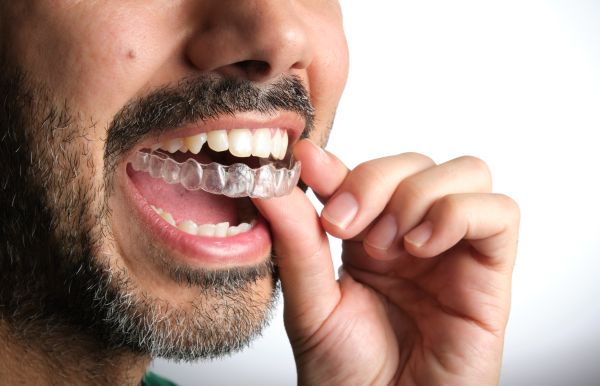
Clear aligners are becoming increasingly popular and many are choosing them over traditional braces. They offer a range of benefits, which include a discreet treatment option, the ability to remove them while eating and brushing teeth and faster treatment times on average.
A review of clear aligners for a straighter smile
Learning more about how clear aligners differ from traditional braces and why so many patients are choosing them as their preferred method of treatment, you can decide if they are right for you. The following review explains what clear aligners are, how they differ from traditional aligners (braces) and how the clear aligners treatment process works.
Clear aligners explained
Clear aligners are a method of teeth straightening that use a transparent tray known as an aligner. The aligners are custom-fit and worn over teeth, gradually pulling them into an ideal teeth alignment. They are recommended for patients with a mild to moderate malocclusion and can fix issues such as crooked and overcrowded teeth. Treatment typically takes less than two years and is shorter on average than traditional braces.
Clear aligners vs. traditional braces
Clear aligners achieve the same purpose as traditional braces, which is to straighten your smile and fix jaw and teeth misalignments. However, clear aligners offer benefits that traditional braces do not, which includes:
- Transparent aligners
- Removable aligners
- Faster treatment times
- Fewer dietary restrictions
Clear aligners are typically ideal for adults who want a treatment system that is less visible and obvious. In fact, many patients are able to straighten their smile without anyone knowing unless they tell them.
How clear aligners treatment works
During the first visit for clear aligners, the dentist will conduct an oral examination to determine all available treatment options and if any dental treatment is necessary before starting clear aligners (tooth extraction, cavity fillings, deep dental cleaning, etc.). They will then put together a treatment plan. Once the patient is ready, a dental impression is taken to custom-make the clear aligners, and the treatment process starts once they arrive. The patient receives new aligners periodically, and the treatment process takes between six months to two years to complete.
The ideal candidate for clear aligners
Clear aligners work best for minor to moderate misalignments. However, braces are often necessary for severe concerns. Therefore, anyone with a misalignment of the teeth or jaw that feels insecure with the appearance of their smile or finds it harder to care for their oral health should consider clear aligners treatment. Specifically, clear aligners can address the following concerns:
- Crowding
- Crooked teeth
- Spacing issues
- Protruding teeth
- Bite complications
The best way to determine if you are a good candidate for clear aligners treatment is to arrange a consultation visit with a dental professional.
Get started with clear aligners treatment today
You can start the clear aligners treatment process by scheduling a consultation with our dental team today. We guide our patients through each step of treatment, and we will help you decide if clear aligners, traditional braces or another form of treatment is best for you.
Request an appointment here: https://www.trsmiles.com or call T. R. Smiles Dental at (732) 505-7055 for an appointment in our Toms River office.
Check out what others are saying about our dental services on Yelp: Clear Aligners in Toms River, NJ.
Related Posts
There is no doubt that clear aligners are a great way to straighten teeth and improve the appearance of your smile, but it is important to ensure they remain straight after treatment is over. Whether braces or clear aligners are used, teeth have a tendency to try and shift back to their original position, and…
A family dentist can help seniors protect their teeth, gums, and overall oral comfort through every stage of aging. As the mouth changes over time, older adults may face various concerns that their younger counterparts may not. Regular dental visits with our dentist make it easier to catch these issues early and manage them with…
Deep teeth cleaning is a specialized dental procedure that removes plaque and tartar buildup beneath the gumline. It is recommended for patients with early to moderate periodontal disease or those at risk of developing gum infections. Unlike routine cleanings, deep teeth cleanings target bacteria that contribute to gum disease and bone loss. Recognizing the signs…
When facing severe dental pain or infection, tooth extraction and root canal treatment are often the two recommended solutions. However, the decision between a tooth extraction and a root canal depends on several factors. Understanding the differences between these procedures helps patients make informed decisions about their oral health, comfort, and long-term cost.A root canal…